

Sometimes, yes. Paying in a collection game is an entertainment choice like any other, and it can be a good one. But a free download and a gorgeous roster don’t make a purchase worth it on their own. Three things do: you know exactly what the purchase gives you, you already enjoy the game underneath, and the amount fits a budget you set before the offer popped up. This guide walks you through each one so you can decide in a few minutes instead of in the heat of a limited-time banner.
Know which kind of game you’re playing
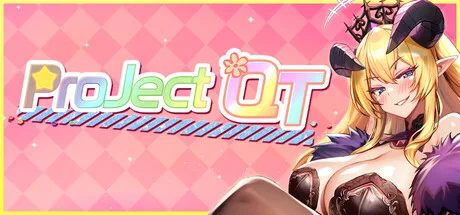
“Gacha” gets used loosely. Searches for it pull in card collection, team recruitment and roster building, and those are not all the same thing. Lust Goddess is a card-strategy game: you collect mercenaries, build a squad and fight turn-based battles in a futuristic setting. Project QT is a puzzle RPG where you recruit a team. Both are free to start on Steam, and both have a collection hook, but the genre label alone tells you nothing about a specific pity counter or draw rate.
That’s why our collection-game shortlist points you to the current rules inside each official game rather than printing a neat odds table. Before you spend, name what you’re buying: a specific item, a chance at something, access to content, or another resource. If you can’t say which in one sentence, the offer isn’t ready for your money yet.
Ask whether you’d enjoy it without the next pull
Here is the simplest test. Imagine your most-wanted character never shows up. Would you still play? In Project QT, the answer depends on whether you like the matching and the team decisions. In Lust Goddess, it depends on whether you enjoy planning a squad and working out card battles. If the game you can already play is fun, spending to widen your roster can make sense.
If only a future reward would make the game enjoyable, that’s a weak reason to pay. A purchase can hand you the character without fixing pacing or a combat style you don’t like. In that case, look sideways first. Our Lust Goddess alternatives cover other formats. A merge game like Horny Villa or a paid visual novel may suit you better, even without the roster-building loop.
Read the odds before any random purchase
If a game sells random rewards, find its current official page on probabilities and conditions. Check that the rates shown apply to the exact offer in front of you. Look for any guaranteed outcome, exclusions, expiry dates or reset rules. Never borrow rules from another title just because the screens look alike.
We don’t publish numerical odds for the games in this guide because we haven’t confirmed them, and you shouldn’t trust anyone who guesses. An unofficial calculator is only as good as its inputs. One lucky pull on video doesn’t show a typical result, and a few comments don’t describe the full spread. If the game doesn’t give you enough information, not buying is a perfectly good answer.
Set your budget before the offer appears
Pick a total you’re comfortable spending over a period that makes sense to you, and count every purchase in the game against it. Don’t run separate mental budgets for currency packs, bundles and event offers: they all come out of the same wallet. Keep a simple log with the date, the store, the amount paid and what the receipt says you bought. Track real money, not the face value of in-game currency.

A budget won’t guarantee you stay happy with what you spend, but it keeps you in charge. If you catch yourself raising the limit every time a promotion appears, stop buying and take a step back. A countdown timer tells you nothing about whether you actually want the item.
Read every guarantee word by word
“Guaranteed reward” may not mean the reward you want. A category, a selection and one named item are three different promises, so read the nouns and conditions closely. A bonus attached to a purchase doesn’t make that purchase necessary, either. Judge the whole offer, including every limit the game spells out.
Past spending only counts toward the next purchase if a stated rule says so. Even when a game has a counter or guarantee, check that it applies to this version and whether it carries over. Aeon’s Echo, for example, is a mythology-inspired RPG that appeals to character collectors, and its current collection odds are something to check in the game itself. Our free-to-play explainer covers the wider difference between a free base game and the cost of optional extras.
Compare it with a game you buy once
A paid story makes a handy benchmark, because you know much more about what you’re buying. Being a DIK is a choice-driven visual novel sold in seasons, and later seasons depend on earlier ones: Season 3 needs both the base game and Season 2. Treasure of Nadia is a paid adventure about exploring an island and hunting for treasure. Neither replaces roster building, but they help you check whether you’d rather pay for a defined product.
Our story-versus-adventure comparison explains that choice. Paid games aren’t automatically better value. The real difference is the question you ask: for a paid story, which edition and which earlier parts you need; for a collection game, which outcome you’re buying and how much more you might spend. Free-to-start games can split this way too. Crush Crush is a free idle dating sim, while its 18+ Naughty DLC is a separate paid purchase.
Your 30-second check before you pay
Before you hit buy, you should be able to do four things:
- Describe the offer in one sentence.
- Name the store or payment service taking your money.
- State the total you’re willing to spend in this game.
- Say honestly that you enjoy the game as it is today.
If any of these is missing, keep playing for free or come back later. A third-party guide promising a sure result is not a reason to buy. For game-specific detail, read our Project QT review and Lust Goddess review. On Steam, Lust Goddess sits at 55% positive from 12,672 reviews and Project QT at 63% positive from 1,040 reviews (5 October 2026), so see what other players say too.
Which one should you try first?
- You love squad building and card battles: start free with Lust Goddess and only spend once you know your team.
- You prefer puzzles with a team to recruit: try Project QT on Windows.
- You want RPG collection with a mythology theme: look at Aeon’s Echo, and check its odds in-game before buying.
- You hate random rewards: buy a defined story such as Being a DIK or Treasure of Nadia instead.
- You want something relaxed with no roster pressure: try a merge game like Horny Villa.
Offers and rules change, so look at the current version of any game before you commit time or money.